

The Imposter Syndrome Intensive for Therapists in Private Practice
A One-Day Individual Intensive for Therapists Who Know How to Help Their Clients But Can’t Seem to Shake Their Own Self-Doubt
Limited pilot program — 3 spots available
For therapists in Massachusetts, Washington State, Oregon, and Florida
Confidence That Matches Your Credentials
Ending Imposter Syndrome for Therapists in Private Practice
You went to grad school, got your hours, passed your exams, opened a practice — and yet somewhere in the back of your mind, there’s still a voice that says you don’t really know what you’re doing.
And from the outside, that doesn't make any sense. Your clients stay with you and even refer their friends. You've built something real, and the evidence that you're good at this is sitting right there in your caseload.
But that evidence doesn't stick.
You hear the compliment and deflect it, you get the referral and wonder if the referring therapist really knew who they were sending their client to, or you have a good session and your brain skips right past it to the one that didn't go as well.
There’s a gap between what you’ve built and how you feel inside, and no amount of logic, reasoning, or evidence seems to close that gap.
And there’s a reason for that. The same path that made you a good therapist also left some marks: Maybe a professor or supervisor made you feel incompetent, a program taught you that your instincts couldn't be trusted, a family where nothing was ever good enough, or a moment early in your career where you felt exposed and in over your head.
Those experiences shaped your clinical rigor, but they also left you with the persistent sense that you’re not as good as people think you are: the guilt when you send an invoice, the second-guessing three hours after a session, the fog that keeps you playing smaller than you need to.
Or maybe you can't quite name it, but you're tired of carrying it and you’re ready to put it down.
You know what imposter syndrome is. You can probably see it in your clients a mile away. But knowing what it is or where it comes from hasn’t made yours go away.
And you know exactly what this is costing you: the rate you haven’t raised, the panel you haven’t left, the offer you haven’t launched, the referrals you haven’t asked for.
You have the clinical skills. The thing in the way isn’t that you need more clinical trainings.

Your Imposter Syndrome Isn't a Mystery You Need to Solve… It’s a Barrier Sitting Between You and the Actions You Already Know You Need to Take.
Accelerated Resolution Therapy (ART) is an evidence-based modality that uses bilateral eye movements and guided visualization to treat the imposter syndrome and the past experiences fueling it.
It doesn’t require you to know where your imposter syndrome came from or to talk through every detail of it, and it doesn’t take months of weekly sessions to produce meaningful, long-term change.
In a one-day intensive, we’ll target the specific memories, beliefs, and experiences that are keeping your nervous system in “you’re not enough” mode, and we process those out so that they stop running the show. You’ll be free to make your own decisions about your private practice based on what you deeply care about: helping more people and creating a sustainable business.
ART is an intervention to remove the barrier so that the behavioral changes you already know are necessary to move the needle in your practice can happen.
What can change when Imposter Syndrome is Removed
In a single intensive day, you can achieve the equivalent reprocessing time of nearly 2 months of weekly sessions. This is because we’re not spending 20 minutes of every hour on check-ins, warm-up, and closure.
What reprocessing-based therapies (like EMDR and ART) do well is change how your nervous system responds to the memories and experiences that are driving imposter syndrome. The information doesn’t disappear — you still know what happened — but the emotional charge that’s been keeping your body in threat mode can release.
Your nervous system learned to protect you at some point, and it just hasn’t updated that information yet. That’s what we’re doing together.
In practice, that might look like:
Sending an invoice at your full fee and noticing the guilt thought still flickers, but it passes through in seconds instead of becoming a spiral that follows you into the evening.
Having a tough session where you're not sure you said the right thing, thinking about it briefly, but your entire body doesn’t cringe the way it used to.
Finally raising your rate, leaving insurance, writing the pitch to advertise yourself, launching the group — not because you suddenly feel invincible, but because the thing that was keeping you frozen has loosened.
What specifically shifts will depend on what we’re working with. Your imposter syndrome has its own roots and your experience of resolution will be specific to you.
What you can keep: Everything that actually makes you good at this work:
The instinct to attune to what a client isn’t saying
The drive to keep learning and improving
The high standards that make you stay late preparing for a complex case
You’ll still remember the experiences that shaped who you are as a person and as a therapist, but they’ll be memories you can reference without your nervous system reacting like they’re still happening right now.
What you can lose: The emotional charge that keeps those old experiences influencing your current decisions:
The way you let a client no-show three times without enforcing your cancellation policy because confrontation feels like it might confirm your services aren’t worth the fee.
The shame spiral when a client corrects you on something small.
The gut-punch when a client terminates and you spend the next week wondering what you did wrong instead of recognizing it as a normal part of running a practice.
The compulsion to sign up for one more training, one more certification, one more credential — not because you need it clinically, but because some part of you is still trying to earn validation that you belong here.
Results From the First Pilot Intensive

One therapist has completed this intensive so far. Measured at the 4-week follow-up, the GAD-7 (anxiety) score moved from 17 to 0.
That's the severe range down to zero, sustained 4 weeks after the intensive day.
At the check-in, the participant described a clear reduction in day-to-day anxiety, with specific improvement around the rejection sensitivity that tends to ride alongside ADHD.
The rejection sensitivity piece is worth naming. For therapists with ADHD, that's often what makes imposter syndrome feel unbearable, the way a small correction from a client or a piece of peer feedback can hijack your whole afternoon. ART can target the experiences underneath that reactivity directly.
This is one participant, but the outcome sits inside what ART's research base would predict. Published studies have shown meaningful anxiety reductions sustained at 3-month and 6-month follow-ups across populations ranging from veterans with PTSD to older adults with complicated grief.
What we're testing in this pilot isn't whether ART reduces anxiety, because the research already supports that. We're testing whether a one-day intensive format, targeting imposter syndrome specifically in therapists in private practice, produces similar results. So far, with one participant, it has. Yes!
How ART works
ART uses bilateral eye movements combined with guided visualization to help your nervous system process and resolve specific memories and experiences that are driving current-day imposter syndrome.
Step 1: Identify the Source
We pinpoint the specific experiences that created your imposter syndrome.
These are often moments you might dismiss as “not that big of a deal” — a client complaint that you handled professionally but still replay years later, a peer’s offhand comment about your approach that got under your skin deeper than it should have, the first time you froze in a session and didn’t know what to say, or a performance review that focused on the one thing you got wrong instead of the twenty things you got right.
Your conscious mind may have moved on, but your nervous system didn’t.
Step 2: Reprocess the Memory
Using bilateral eye movements while focusing on that memory, we help your brain process and store it as a past experience rather than a current threat.
These eye movements activate your brain’s natural processing mechanisms, allowing your nervous system to complete what it couldn’t finish at the time.
Step 3: Reinforce New Imagery
We work with positive imagery of how you want to show up: raising your rates and sending the email without rewriting it four times, sitting with a difficult client and trusting your gut instead of spiraling after, posting about your niche on social media without agonizing over whether you sound like a fraud, or walking into a consultation group and sharing your perspective without rehearsing it first.
This helps your nervous system build new pathways that support confidence rather than anxiety.
Interested in learning more about ART for therapists? Read the blog article here.


The Intensive Format & Structure
The intensive is delivered individually, virtually, and runs approximately 4-6 hours with breaks built in throughout the day.
Before we start: You’ll complete a brief intake and a set of pre-assessments (GAD-7, PHQ-9, and the Clance Impostor Phenomenon Scale) so that we have a baseline to measure against.
During the day: We’ll identify the specific memories, experiences, and beliefs that are driving the imposter syndrome and use ART to process them. How many targets we get through depends on you and what comes up, but the intensive format gives us the time and space to do meaningful work without the start-stop rhythm of weekly sessions.
After: You’ll complete post-assessments so we can both see what changed. We will also check in at 2 weeks and 4 weeks to track how things are landing in your day-to-day practice.
My Commitment to You
If anything surfaces between the intensive and the 2-week and/or 4-week check-ins (ie: a new symptom that came up, something that didn’t fully resolve, or a reaction you weren’t expecting), we’ll use ART to clear it. The goal is resolution, not just a single extended session and good luck.


About this Pilot
I’m a licensed (independent) clinical social worker and advanced trained ART practitioner.
I am not here to test whether or not ART works — we already know from the research that it does. What I’m specifically testing is the ART intensive format for imposter syndrome in business.
You’d be one of the first to go through this particular program. I’m building ART intensives for imposter syndrome across several populations, and therapists in private practice are where I’m starting. That’s why pilot spots are $1,500 (the price I normally charge for ART intensives is $5,000).
In exchange for the reduced rate, I’m asking for honest, structured feedback about your experience: what worked, what didn’t, and what I should change.
This would likely qualify as a tax-deductible business development expense (check with your CPA on that).

This is for you if You…
✓ Are in private practice and can name how imposter syndrome is showing up in your business decisions, your clinical confidence, or both, even if you don’t know where it comes from.
✓ Want this resolved, not just explored. You’re past the point of wanting to understand it and you’re ready to actually put it down.
✓ Can commit a full day to this work and are willing to give detailed feedback afterward.
This is NOT for you if You…
✗ Aren’t sure you want things to change yet. ART works best when you’re ready to solve the problem. You can always come back when the timing is right!
✗ Are looking for business coaching or consulting.

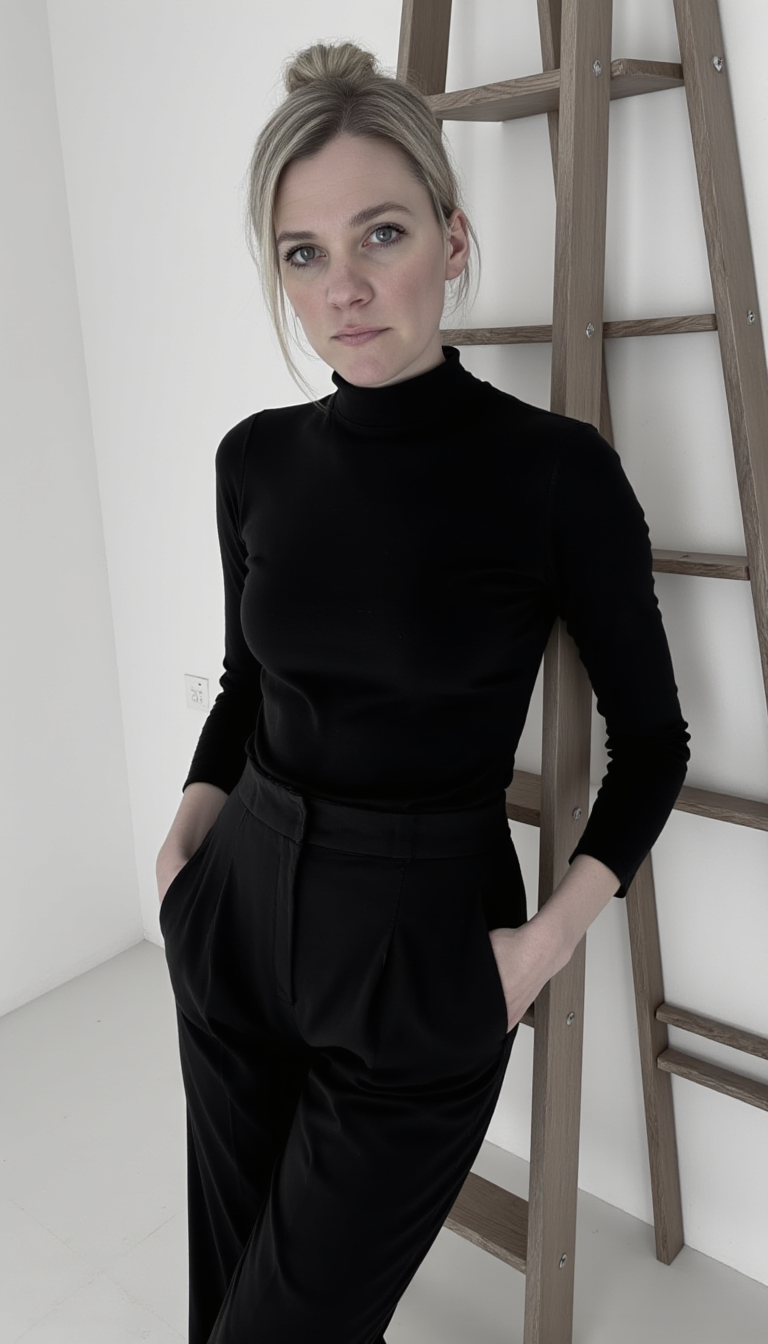
Allyson Clemmons, LCSW, LICSW
About
Hey therapist, I’m Allyson. I’m a licensed therapist obsessed with Accelerated Resolution Therapy.
I also run a marketing consultancy for therapists in private practice, so I’ve spent years watching smart, skilled therapists hold themselves back — undercharging, avoiding visibility, sitting on ideas they’re clearly ready for — because something underneath keeps telling them they’re not competent enough.
ART gives me an opportunity to treat that directly, not just coach around it.
Frequently asked questions
-
This intensive is designed for therapists in private practice who are experiencing imposter syndrome that’s affecting how they run their business, show up clinically, or both.
It’s helpful if you can point to specific ways it's showing up: you’re undercharging and you know it, you avoid visibility opportunities like posting on social media, networking, or speaking at events, you over-prepare for sessions with certain clients, you second-guess clinical decisions you’re actually qualified to make, or you’ve been sitting on a business move (raising rates, leaving insurance, niching down, launching something new) because something keeps holding you back.
You don’t need to know exactly where it comes from or have a specific memory in mind. (This is a big difference between ART and EMDR.) Part of what we’ll do during the intensive is identify the root cause. But you do need to actually want it resolved, not just understood better.
This isn’t the right fit if you’re looking for business coaching or consulting. What this intensive does is remove the emotional block preventing you from implementing the business strategies and clinical skills you already have.
This also is not the right fit if you're not sure you’re ready for things to change — ART works best when you are.
If you’re still not sure if you’re a good fit, reach out and we can figure it out together in a quick conversation.
-
ART uses bilateral eye movements to help activate your brain’s natural processing mechanisms while you focus on a memory, sensation, or symptom. When you experience something profound, traumatic, or formative, your brain sometimes stores it in a way that keeps triggering present-day reactions, like imposter syndrome. The eye movements, combined with guided visualization, help your brain reprocess and store the memory in the past where it belongs without the emotional charge that keeps it activated as imposter syndrome.
-
For a more in-depth explanation of ART for therapists, please read the post I made here.
-
Both use bilateral eye movements and both are evidence-based reprocessing therapies. The biggest differences for this intensive are practical.
ART doesn’t require you to describe the memory in detail or talk through the worst parts of it out loud. You'll work with the images and sensations internally while I guide the process.
ART also doesn't require any prep or history-taking before processing begins. There’s no homework, no ranking your worst memories by disturbance level, no multiple assessment sessions before we start the actual work. We identify the targets together on the day and begin processing in the same session. That’s part of what makes the one-day intensive format possible.
ART is also more directive than EMDR. If you’ve done EMDR before, you may be used to the therapist following your lead and letting your brain go wherever it goes during processing. ART doesn’t do that. I’m actively guiding you through specific steps and interventions rather than letting the process unfold open-endedly. For a one-day intensive where we’re targeting something specific, that structure helps us stay focused and use the time well.
The other difference you’ll notice is speed. ART typically resolves targets faster per session than EMDR, which is why a single intensive day can cover ground that might take weeks or months in traditional EMDR processing.
-
That’s okay, we don’t need you to have it all figured out before we start. Part of the work is identifying the specific targets together. That said, this works best when you can point to how it’s showing up in your life and your practice, even if you’re not sure why.
-
Yes. The imposter syndrome that comes with ADHD — the feeling of never reaching your potential, the rejection sensitivity, the years of hearing “you’re so smart, why can’t you just apply yourself” — usually has specific experiences underneath it that ART can target directly. The ADHD stays, but the emotional charge those experiences have left behind is what changes.
I’m also trained on how to adapt the ART process for ADHD, so the pacing, breaks, and eye movements are adjusted to make sure you’re comfortable throughout the day.
-
Your success comes from your intelligence, skills, and work ethic, not from your imposter syndrome. The anxiety and self-doubt are actually performance drains, not performance enhancers.
Research consistently shows that reducing anxiety improves cognitive performance, decision-making speed, and strategic thinking. Think about how much mental energy you currently spend managing those feelings, second-guessing clinical decisions, or over-preparing to compensate for perceived inadequacy.
When that mental interference is removed, it makes room for faster decision-making and clearer clinical and business thinking. Your drive will remain, but it will be powered by confidence and clarity rather than anxiety and compensation.
-
Not at all!
I wear two hats professionally: I’m a therapist and I run a marketing consultancy for therapists. In this room, I’m only wearing one. I’m your clinician, not your consultant. I’m not evaluating your website, your rates, your niche, or your business model. Respectfully, I genuinely do not care what you’re charging or whether you have a marketing strategy.
If something about your practice comes up because it’s connected to the imposter syndrome, ie: maybe you’re embarrassed about your fees or you feel behind compared to peers, that’s clinical material and we’ll treat it that way.
-
ART is generally well-tolerated and most people feel lighter after processing, not heavier.
That said, some people experience heightened emotionality, fatigue, vivid dreams, or headaches in the 24-72 hours after a session as your brain continues processing. This is generally a sign that things are working, not that something went wrong. I recommend keeping your evening clear after the intensive and keeping the following day light if possible.
-
A few things are built into this process to make sure we're not just doing a single day and hoping for the best.
First, the follow-up check-ins at 2 and 4 weeks. If something didn’t fully resolve during the intensive, or if a new symptom surfaced after we finished, we can use ART to clear it during those check-ins. (Think of ART like peeling an onion — sometimes there are layers.)
Second, ART has a strong evidence base and most people experience meaningful shifts during processing. But “meaningful shift” doesn’t always mean “everything is gone after one day.” Sometimes it means the primary problem resolves and we discover there’s another layer underneath that we address in the follow-ups. That’s normal and expected, and the intensive format plus follow-ups are designed to account for it. My commitment is that we keep working until we reach resolution, not that I give you one day and wish you well.
The other thing is that resolution doesn’t mean you'll never feel nervous again. If you raise your rates or leave an insurance panel or launch a new program after this intensive, you’ll probably still feel some butterflies, and that’s a normal human response to a real strategic risk.
The difference is that the butterflies don’t stop you. The freeze response, the avoidance, the shame spiral that kept you from acting in the first place, those are what ART resolves.
Nervousness about a big move is healthy and normal. Being unable to make the move at all is the problem we're treating.
I have 3 Individual Intensive spots available — $1,500 each.
Saturdays and Sundays available.

Contact
Contact
If you have questions, please complete the form below and I’ll be in touch within 48 business hours.