

The Imposter Syndrome Intensive
for Online Coaches
A One-Day Therapeutic Intensive for Coaches Who Know How to Help Their Clients But Can’t Seem to Shake Their Own Self-Doubt
4 spots available
For coaches located in Massachusetts, Washington State, Oregon, and Florida
Or in-person in Mexico City
No matter how many clients you take across the finish line, no matter how many of them see results they didn’t think were possible, you approach each new client outwardly confident, but inwardly bracing for the moment they realize you don’t know what you’re doing.If you’re a coach who has done mindset work, hypnosis, talk therapy, or even EMDR, and you still can’t shake the feeling that you don’t belong among the top earners in your industry, there’s a different kind of therapy (one you probably haven’t even heard of!) that works at a depth that those other approaches can’t reach.
A therapist in private practice came into The Imposter Syndrome Intensive scoring 17 out of 21 on a clinical anxiety assessment, which puts her in the severe range. This means she’d been carrying that level of anxiety into every client session, every consultation, and every time she thought about raising her rates.
30 days later, she scored a 0.
This wasn’t a reduction, this was a complete resolution.
And the broader research shows that this kind of result isn’t a fluke. In the research, 83-88% of participants saw clinically significant improvement, and in just a handful of sessions (that we condense into one day).
So, if you suspect your self-doubt is deeper than simple nervousness, and that it might be rooted in something from the past, read on, because this is for you.
Confidence That Matches Your Coaching Certifications
Even Though No One Else Sees You Second Guess Yourself…
You've built a real coaching practice, with certifications and frameworks and client wins that prove you're good at what you do. You press publish, you post the reel, you send the pitch, you state your rate on discovery calls.
From the outside, no one would guess you feel like a fraud.
But you know the cost of getting there:
The tweaking your script 30 times before feeling ready to hit record.
The white-knuckled “feel the fear and do it anyway” ritual every time you click send to your email list, which doesn’t get easier no matter how many times you do it
And then repeatedly checking your open rate and CTR
The compulsion to give away free coaching in the DMs, even though you promised yourself months ago that you'd stop doing that
And spending an hour scanning for negative reactions from your audience after you go live
You've been managing this for a long time, and sheer willpower has carried you a long way.
But something has shifted.
Maybe you're moving into a higher price point, pivoting to a new dream client, or stepping into a level of visibility that feels different from anything you've done before, and the mind-over-matter-mindset work that carried you to $100k isn't working to move the needle to earning $20k months and beyond.
You're suddenly frozen in a way you haven't been since early in your career, and it's disorienting because you're not someone who typically views themselves as "stuck."

The Imposter Syndrome Tax on Your Coaching Business
The energy tax has always been there, even when the white knuckling was working.
You can do a podcast interview and nail it, but if it takes you an entire morning to psyche yourself up, and 8 hours to come down from the adrenaline, you've spent an entire days' worth of energy on a few hours of work.
Multiply that across your content decisions, pricing conversations, and moments of visibility in your business, and you start to see how pushing through imposter syndrome has been a performance drain, not a performance enhancer.
And now that you've hit the edge where pushing through isn't enough, the cost isn't just energetic anymore.
The imposter syndrome that used to just make things harder is now actively capping your business revenue growth.
Every week you stay at your current rate instead of the one you know your work is worth is real money you're leaving on the table, and every pitch you don't send for the bigger stage represents an audience that would hire you… if they knew you existed.
At some point, your brain learned that this kind of visibility — asking for money, claiming authority, being seen at a certain level — comes with consequences. Maybe it was one clear moment, maybe it was something more invisible that built up over time.
You might be surprised to learn that from a therapeutic perspective, you don't need to know which moment in your past created this block. You don't even need to talk about it.
What matters is what your brain did with it: it filed greater visibility and success as a threat, and it's been trying to protect you ever since, filling you with dread before a discovery call or locking you into avoidance when it's time to raise your rates.
Up until now, you’ve been muscling past this issue, but for your next level, you need something more potent than visualizations and determination.
And that’s what we’re going to fix together.

Resolve Imposter Syndrome in One Day
The Imposter Syndrome Intensive uses a structured therapeutic approach that works directly with how your brain has stored the experiences that fuel your imposter syndrome.
In a single focused day, we identify the root cause of the imposter syndrome and help your brain reprocess it so that it stops getting in the way of your present-day business decisions.
We use guided eye movements — similar to what your brain does naturally during deep sleep — to access and update these stored experiences.
You don't need to talk through details, and you don't need months of sessions to see tangible, long-term change.
(Wondering how this compares to other methods you’ve tried? I break it all down in this post right here.)
What can change in Your Business when Imposter Syndrome is Removed
The business tasks you've been white knuckling through for years become remarkably easy:
Raising rates to the level your expertise demands
Posting vulnerable content that opens you up to outside criticism
Answering questions from potential clients about the effectiveness of your coaching or services in the DM’s or on discovery calls
Pitching yourself for media or collaboration opportunities
Evaluating your clients’ results (good or bad) and identifying next steps to improve their results
Instead of the familiar cycle of dread and recovery when it comes to raising rates or planning launches, business decisions become straightforward — you make them and move on.
The emotional drain of posting content fades away: the hour of dread beforehand or the time spent bracing and checking for negative reactions afterward. That cycle of questioning and scanning compresses and then mostly disappears, which means hours a week that you get back – maybe even hours you didn’t realize you were spending on an emotional process you didn’t fully realize was happening because it had become so normal.
And the new level — the price point or the dream client or the podcast interview or the sold-out launch — becomes accessible.Not because you’ve found a better way to force yourself through it, but because the internal resistance that was blocking you simply isn’t there anymore.

Here’s what running a business without imposter syndrome looks like:
You sit in discovery calls for a multi-5-figure package and describe what you do and what you charge with a steadiness that potential clients can feel.
You pitch yourself for the opportunity that would have been unthinkable a month ago, and whether they say yes or no, you don't spiral. The ceiling that felt permanent turns out to have been a response, not a limit.
When a client has a breakthrough, you take it in instead of scanning for what you could have done better.
When someone leaves you a glowing testimonial, you don't shrug it off as your client being generous, which means you feel confident using that testimonial in your marketing. The voice that says, "yeah but" that comes after you read it is simply gone.
Over time, this changes your relationship with your own evidence: you stop needing external validation as urgently because your internal experience finally matches what the evidence has been telling you all along.
The background hum of "am I really good enough?" that's been running underneath everything — your calls, your content, your conversations about your work at dinner — shuts off, and what replaces it is a kind of ease you may not have felt since before your coaching business existed.
And maybe the most surprising shift: you start to trust yourself in a way that feels different from anything the mindset work produced. Not manufactured confidence, or the pep talk that wears off by Wednesday, but a quiet, settled sense that you know what you're doing, you know where your business is going, and you can handle what comes next.
The part of your brain that kept arguing otherwise, kept insisting you were one bad session or one public mistake away from being exposed, finally goes quiet, and what's left is just you, doing your best work with your dream clients at your dream price, without the constant internal negotiation.
After our work together, you’ll keep your drive, your high standards, your desire to learn and improve, and your ambition.
You’ll lose the invisible barrier that’s been standing between who you know you are as a coach, and how you show up.

The Intensive Format & Structure
Before your session: You'll complete a short intake. This includes a well-researched imposter syndrome questionnaire and a couple of brief mood and stress measures that give us a clear starting point.
The intensive itself: One focused day, typically 3-5 hours with breaks built in, conducted entirely over secure, private video. No travel, no waiting rooms, no time away from your business beyond the session itself. You log on from wherever you’re most comfortable.
After the intensive: I include follow-up check-ins at 2 weeks and 30 days to make sure your results are holding, and to capture the same measures we used at intake, so the change is documented, not just felt.
Investment: $3,000 PIF to secure your spot
HSA and FSA accepted. I do not accept insurance.
This would likely qualify as a tax-deductible business development expense (check with your CPA on that).
My Commitment to You
If anything surfaces between the intensive and the 2-week and/or 4-week check-ins (ie: a new symptom that came up, something that didn’t fully resolve, or a reaction you weren’t expecting), we’ll use ART to clear it at no additional cost.
The goal is resolution, not just a single extended session and good luck.

This is for you if…
✓ You have a real track record of success with clients, but imposter syndrome still persists. The evidence of your competence keeps piling up and your brain keeps ignoring it. You've been pushing through it to get here, but you've hit a level where pushing through isn't enough anymore.
✓ You’ve tried mindset work, journaling, affirmations, accountability partners, maybe even coaching specifically for the imposter syndrome, and those tools helped you manage it at one level but can’t seem to carry you to the next.
✓ You want this resolved, not just explored or managed better, and you’re ready to set aside one day to make that happen.
This is NOT for you if…
✗ You're in the early stages of building your coaching practice and the nervousness before a client call gets a little quieter each time you do it. That's a normal learning curve, and the confidence will come with experience. Imposter syndrome is different: you've been doing this for years, you have a track record of results, and the dread before the next call is just as loud as it was at the beginning.
✗ You’re looking for ongoing weekly therapy sessions. This is a one-day intervention with structured follow-up, not a long-term therapeutic relationship.
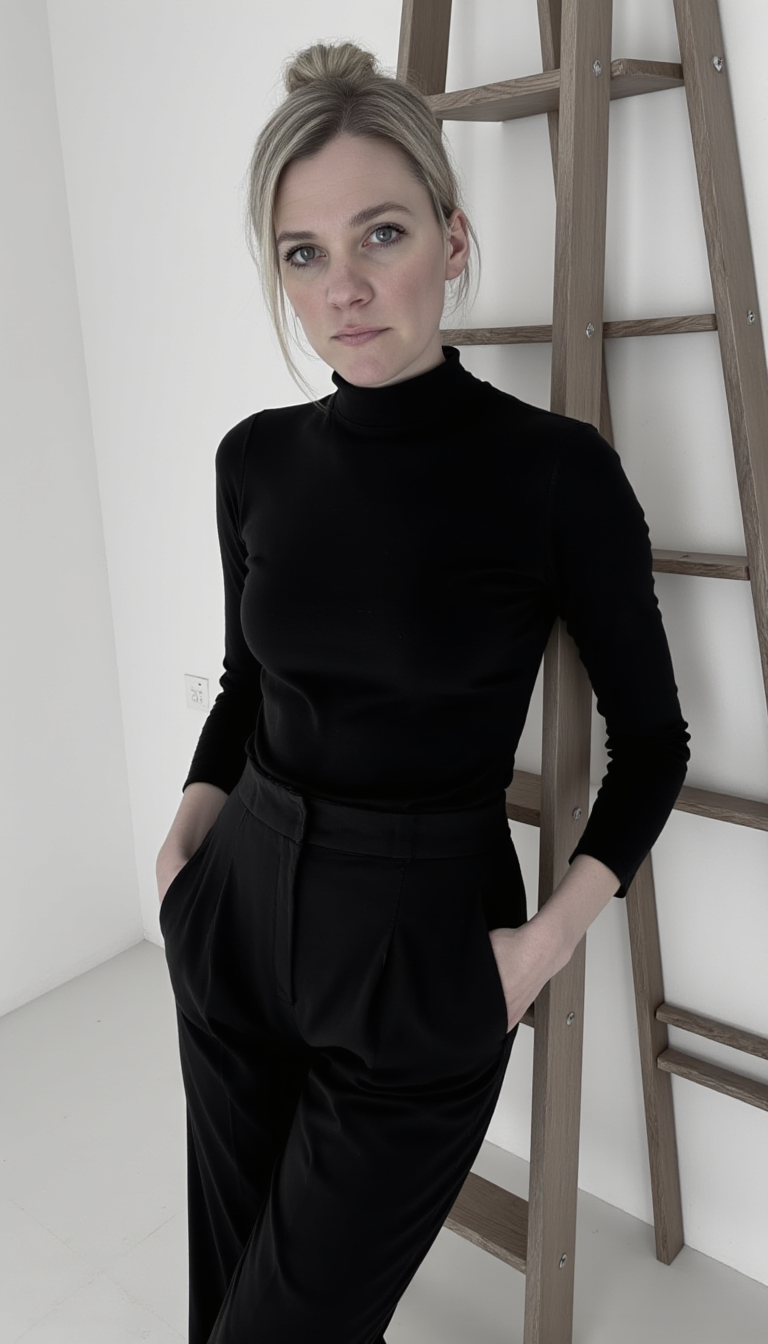
Allyson Clemmons, LCSW, LICSWAbout Me
I'm Allyson, a licensed therapist who specializes in intensive ART sessions for business owners, and a multi-business owner and coach myself.
I’ve lived the pricing conversations, the visibility calculations, and the coaching calls, so when you describe what’s happening for you, I’m not guessing about the context.
And I’ve done my own ART work around the imposter syndrome that shows up when you step into something bigger.
That experience shapes how I work with clients, because I understand the difference between knowing you’re capable and actually feeling it when the stakes change.
I’m licensed in Massachusetts, Washington, Oregon, and Florida, and I hold an advanced certification in Accelerated Resolution Therapy.
I run a clinical practice, a marketing consultancy for therapists, and have spent 16 years as a mental health therapist.
Frequently asked questions
-
This intensive is designed for coaches who are experiencing imposter syndrome that affects how they run their business, how they show up on coaching calls, or both.
It helps if you can point to specific ways the imposter syndrome is showing up: you're undercharging and you know it, you avoid visibility opportunities like posting on social media or speaking at events, you over-prepare for sessions, you second-guess decisions you're actually qualified to make, or you've been sitting on a business move — raising rates, pivoting to a new market, launching something new — because something keeps holding you back.
You don't need to know exactly where it comes from or have a specific memory in mind. That's actually a big difference between ART and other approaches — part of what we do during the intensive is identify the root cause together. But you do need to actually want this resolved, not just understood better.
This isn't the right fit if you're looking for business coaching or consulting. The intensive removes the emotional block that's been preventing you from implementing the business strategies and skills you already have, but it doesn’t teach you new ones.
This also isn't the right fit if you're not sure you're ready for things to actually change. ART works quickly and it works best when you're genuinely motivated to operate differently on the other side.
If you're still not sure whether this is right for you, reach out and we can figure it out together in a quick conversation.
-
Therapy is different from coaching in this regard. Therapists are bound by strict confidentiality requirements that prevent us from soliciting testimonials from clients, and for good reason: the therapeutic relationship depends on the client knowing that their experience is completely private. I will never ask a client to share their results publicly, and I will never share identifying details about anyone I work with.
What I can share is anonymized clinical data. Every client who goes through the intensive completes standardized assessments before and after, and I report the combined results from those assessments without identifying anyone individually. That way you can evaluate the results without anyone's privacy being compromised.
-
ART uses bilateral eye movements to help activate your brain’s natural processing mechanisms while you focus on a memory, sensation, or symptom.
When you experience something profound, deeply distressing, or formative, your brain sometimes stores it in a way that keeps triggering present-day reactions, like imposter syndrome.
The eye movements, combined with guided visualization, help your brain reprocess and store the memory in the past where it belongs without the emotional charge (aka the imposter syndrome you feel).
If you’d like to learn more about the difference between ART and other modalities you’ve heard about, I break this down in a comprehensive post right here.
-
Both use bilateral eye movements and both are evidence-based reprocessing therapies. The biggest differences for this intensive are practical.
ART doesn’t require you to describe the memory in detail or talk through the worst parts of it out loud. You'll work with the images and sensations internally while I guide the process.
ART also doesn't require any prep or history-taking before processing begins. There’s no homework, no ranking your worst memories by disturbance level, no multiple assessment sessions before we start the actual work. We identify the targets together on the day and begin processing in the same session. That’s part of what makes the one-day intensive format possible.
ART is also more directive than EMDR. If you’ve done EMDR before, you may be used to the therapist following your lead and letting your brain go wherever it goes during processing. ART doesn’t do that. I’m actively guiding you through specific steps and interventions rather than letting the process unfold open-endedly. For a one-day intensive where we’re targeting something specific, that structure helps us stay focused and use the time well.
The other difference you’ll notice is speed. ART typically resolves targets faster per session than EMDR, which is why a single intensive day can cover ground that might take weeks or months in traditional EMDR processing.
-
RTT uses hypnosis to access subconscious beliefs, identify where they came from, and then replace them through suggestion. After the session, you listen to a personalized audio recording daily for about 21 days to reinforce the new beliefs.
ART works differently. You’re fully awake and aware the entire time: no trance, no hypnosis, no suggestibility. Instead of replacing beliefs through suggestion and repetition, ART uses guided eye movements and a technique called Voluntary Image Replacement to change how your brain has stored the memories that are driving the problem. The processing happens during the session itself, not over weeks of listening to a recording afterward.
ART is also recognized by the Substance Abuse and Mental Health Services Administration (SAMHSA), and used by the Veteran’s Affairs, with a clinical research base that’s distinct from what’s available0 for RTT.
If you’d like to learn more about the difference, I break this down in a comprehensive post right here.
-
EFT involves tapping on acupressure points on the face and body while focusing on a distressing thought or memory. The idea is that tapping calms the body’s stress response and reduces the emotional charge around negative beliefs. Many coaches use it as a self-regulation tool, either with a practitioner or on their own.
ART doesn’t use acupressure. It uses guided eye movements to access specific memories and change how your brain has filed them. The key difference is precision: EFT works broadly on the emotional charge around a thought or belief, while ART goes after the specific experiences that created that thought or belief in the first place.
EFT is also typically an ongoing practice you repeat over time. ART aims to resolve the issue in one to five sessions (that we compress into a day), and the changes hold because the memory itself has been reprocessed, not just the reaction to it.
If you’d like to learn more about the difference, I break this down in a comprehensive post right here.
-
Hypnosis puts you in a trance-like state of heightened suggestibility, then uses suggestion to shift your beliefs or emotional responses. NLP uses language patterns and visualization to reprogram how you think. Both work through suggestion, whether conscious or subconscious.
ART is not hypnosis. You’re awake, aware, and in conversation with me throughout the session. I’m not putting you in a trance or installing new beliefs through language.
ART works by identifying the specific experiences that created your imposter syndrome response and helping your brain reprocess how those experiences are stored so that they stop triggering the present-day reaction.
The changes with ART come from how your brain reorganizes the memory, not from adopting a new suggestion.
If you’d like to learn more about the difference, I break this down in a comprehensive post right here.
-
Mindset coaching helps you identify unhelpful beliefs, reframe your inner narrative, and build new thought habits. That work has real value, especially for managing day-to-day self-doubt and understanding yourself.
Where mindset coaching hits a wall is when the imposter syndrome response is coming from a place that conscious thought can’t reach. If your body floods with anxiety the moment you think about your new price point, that response is firing before you have a chance to apply whatever reframe your coach taught you. The mindset tools are still useful, they just can’t get to the layer in your nervous system where the response starts.
ART goes directly to that layer, identifies the memories driving it, and reprocesses them so the trigger itself is resolved.
After that, the mindset tools you already have tend to work much better because they’re no longer competing with a response that’s overriding them.
If you’d like to learn more about the difference, I break this down in a comprehensive post right here.
-
Yes. Whether the trigger is a public presentation or raising your price on a sales page, the response works the same way: your brain learned to treat that type of exposure as dangerous, and now it reacts with a protective response whenever you approach a situation that resembles it.
ART targets the memory driving the response, not the specific situation it’s showing up in, so it works whether the problem looks like freezing before a live launch, or rewriting your rates page for the fifteenth time.
-
This is actually well-documented. Research on imposter syndrome shows that it’s commonly triggered by transitions, like a new role, a new market, a higher price point.
Advancing in your career requires more than picking up new skills; it requires internalizing a new identity, and that shift creates a period where your sense of who you are hasn’t caught up with where you’ve landed.
Your brain reads that gap as a threat, which is why the anxiety spikes even though your skills are more than adequate.
The white-knuckling that worked at one level stops working at the next because the response your brain is firing is proportional to the perceived risk, and at a higher level, the perceived risk is higher.
The good news is that this means the problem is specific and targetable, which is exactly what ART is designed to address.
-
That’s okay, we don’t need you to have it all figured out before we start. Part of the work is identifying the specific targets together. That said, this works best when you can point to how it’s showing up in your life and your business, even if you’re not sure why.
-
Yes. The imposter syndrome that comes with ADHD — the feeling of never reaching your potential, the rejection sensitivity, the years of hearing “you’re so smart, why can’t you just apply yourself” — usually has specific experiences underneath it that ART can target directly. The ADHD stays, but the emotional charge those experiences have left behind is what changes.
I’m also trained on how to adapt the ART process for ADHD, so the pacing, breaks, and eye movements are adjusted to make sure you’re comfortable throughout the day.
-
Your imposter syndrome isn’t the source of your empathy, your drive, or your ability to connect with clients. Those come from who you are as a coach and the skills you’ve built over years of practice.
The imposter syndrome is a performance drain, not a performance enhancer.
Clients who resolve their imposter syndrome report that their work gets sharper because they’re no longer splitting their attention and energy between serving their client and managing their own internal noise.
You keep everything that makes you good at what you do. What leaves is the exhaustion and distraction of fighting yourself on every decision.
-
No. ART works by processing how your brain responds to certain experiences, not by analyzing your business decisions or coaching approach. You don't need to share client names, revenue numbers, your niche strategy, or anything you'd consider proprietary. You can say "there was a moment where I felt completely out of my depth on a call" without explaining who the client was or what the session was about. We're working with how the experience landed in your body, not the business details surrounding it.
-
ART is generally well-tolerated and most people feel lighter after processing, not heavier.
That said, some people experience heightened emotionality, fatigue, vivid dreams, or headaches in the 24-72 hours after a session as your brain continues processing. This is generally a sign that things are working, not that something went wrong.
I recommend keeping your evening clear after the intensive and keeping the following day light if possible.
-
The intensive runs 3–5 hours with breaks built in, conducted entirely over secure video. You log on from wherever you’re most comfortable: your home office, a private room, wherever you won’t be interrupted.
I’d recommend clearing your whole day rather than trying to squeeze in other work before or after. Most clients want some quiet time afterward to sit with the shift, and you’ll probably feel tired the way you would after a really productive but intense day.
There’s no homework, no daily audio to listen to, and nothing you need to do before the intensive, or between the intensive and your follow-up check-ins.
-
When we reprocess the experiences that created your imposter syndrome response, those experiences stop triggering the same reaction going forward. Full stop.
If you later encounter a genuinely new situation that creates its own significant experience, that could theoretically produce a new response, but it would be a new response to a new experience, not the old one coming back. And if that happened, we could address it the same way, typically in a single follow-up session.
-
For virtual intensives, you need to be physically located in Massachusetts, Washington, Oregon, or Florida at the time of our session. Some clients travel to one of these states for the weekend.
If you prefer an in-person intensive in Mexico City, contact me directly here in order to schedule it.
For therapists living outside the United States, please contact me here so we can discuss whether you are eligible to work with me virtually from your location.
I have 4 Individual Intensive spots available at $3,000.
Saturdays and Sundays available.
Contact
Contact
If you have questions, please complete the form below and I’ll be in touch within 1-2 business days.